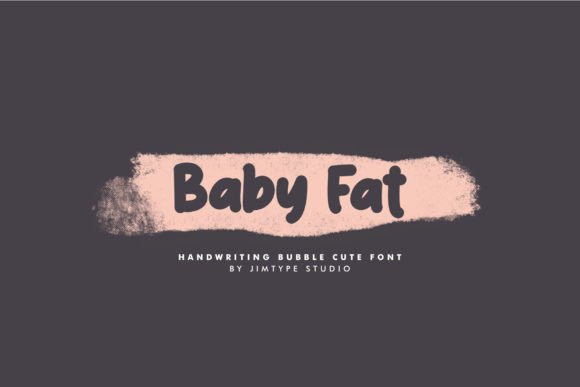
Baby Fat Font: Infusing Handwritten Charm into Modern Design
In a digital landscape saturated with sterile, geometric sans serif fonts, finding a typeface that feels genuinely human can be a challenge. Baby Fat enters the scene as a delightful solution, bridging the gap between the raw authenticity of a handwritten font and the polished legibility required for professional design assets. It is not merely a collection of letters; it is a distinct voice that speaks with warmth, whimsy, and approachability. For designers, content creators, and brand strategists looking to inject personality into their work, understanding how to leverage this premium font is key to unlocking more engaging visual communication.
The Visual Identity of Baby Fat: More Than Just "Cute"
At first glance, Baby Fat presents a rounded, bubbly aesthetic that feels familiar yet fresh. The letterforms exhibit the organic inconsistencies characteristic of a true handwritten font—subtle variations in baseline and stroke width that prevent the text from looking robotic. However, unlike many script fonts that sacrifice clarity for style, Baby Fat maintains a generous x-height and open apertures. This ensures that the "charm" does not come at the cost of readability.
The personality of this typeface is undeniably playful, but it leans into a "comic whimsy" rather than a childish scribble. The strokes are confident and soft, avoiding the scratchiness often found in rough script styles. This makes it an incredibly versatile creative font. It carries a vibe that is lighthearted and inviting, making it perfect for contexts where you need to lower the audience's defenses and create an immediate emotional connection. Whether used in a bold headline or a small accent, the visual weight of Baby Fat commands attention through friendliness rather than aggression.
Strategic Applications: Where Baby Fat Shines
Choosing the right typeface is often about context. While Baby Fat is a versatile display font, it excels in specific environments where engagement and personality are paramount. Understanding where to deploy this font can significantly elevate the effectiveness of your design assets.
Digital Content and Social Media
In the realm of digital content, speed and impact are everything. For YouTubers and video editors, Baby Fat is an exceptional choice for thumbnails. The font’s bold, rounded structure pops against busy backgrounds, ensuring that titles are legible even on small mobile screens. Similarly, for social media graphics on platforms like Instagram or TikTok, this typeface helps break through the noise. It adds a layer of "personality" to quote cards, announcements, and stories, making the content feel less like a corporate broadcast and more like a message from a friend.
Branding for Niche Markets
When it comes to logo design and brand identity, Baby Fat is a strategic asset for specific industries. It is an ideal match for children’s clothing brands, organic baby food packaging, toy manufacturers, or educational apps. However, its utility extends beyond the obvious. Modern bakeries, quirky coffee shops, and lifestyle blogs aiming for an artisanal, "homemade" feel can use this font to signal that their products are crafted with care. It moves a brand away from cold minimalism and toward a warmer, more communal identity.
Publishing and Editorial Design
While not a body text font, Baby Fat serves a powerful role in editorial design. It works beautifully for chapter titles in young adult novels, headers in family-oriented magazines, or pull quotes in lifestyle blogs. In packaging design, it is particularly effective for callouts—phrases like "New Flavor" or "Limited Edition"—where you want the text to feel like a handwritten note from the creator to the consumer.
The Psychology of Typography: How Baby Fat Influences Perception
Typography is never just about aesthetics; it is about psychology. The fonts we choose influence how audiences perceive a brand's trustworthiness, professionalism, and tone. Baby Fat leans heavily into the psychology of approachability.
Because the typeface mimics the organic flow of handwriting, it triggers a subconscious association with human effort and sincerity. In a world of automated responses and AI-generated content, a handwritten font signals that a real person is behind the message. This can significantly boost audience engagement, particularly for small business owners and entrepreneurs who rely on personal connection to build loyalty.
Furthermore, the rounded geometry of the font aligns with psychological studies suggesting that curved shapes are perceived as friendlier and safer than sharp, angular ones. By using Baby Fat, you are softening the visual hierarchy of your design. You are telling your audience that the environment is safe, fun, and unpretentious. This is particularly valuable for brands trying to explain complex topics in simple ways or market products to families.
Practical Guide: Integrating Baby Fat into Your Workflow
Adopting a new typeface requires more than just installation; it requires a strategy for integration. Here is how professionals can effectively evaluate and implement Baby Fat into their projects.
Evaluating Project Fit
Before selecting Baby Fat, audit the tone of your project. Does the content require a sense of authority and tradition? If so, a serif font might be more appropriate. However, if the goal is to be disruptive, modern, and relatable, Baby Fat is likely a strong candidate. It is best suited for projects that prioritize "delight" over "gravity."
Mastering Font Pairing
A display font rarely works in isolation. To maintain professionalism, Baby Fat must be paired with a legible body text font. Because Baby Fat is round and expressive, it pairs exceptionally well with clean, geometric sans serif fonts. Think of fonts like Montserrat, Poppins, or Lato for your body copy. The neutrality of the sans serif will ground the design, allowing the headlines set in Baby Fat to shine without overwhelming the reader. Avoid pairing it with other ornate script fonts or highly decorative serifs, as this will create visual clutter and ruin the readability.
Technical Considerations and Licensing
When downloading this premium font, check the available styles. Many high-quality creative fonts come with multiple weights or stylistic alternates. These features allow you to customize the look of specific letters to better fit your logo or headline. Additionally, always review the commercial licensing. If you are using the font for a client's logo, merchandise, or a mobile app, ensure your license covers these commercial applications. This protects your client and ensures the longevity of your design assets.
Elevating Your Visual Language
Ultimately, typography is the voice of your design. Just as you would choose your words carefully, you must choose your typeface with equal intention. Baby Fat offers a unique blend of handwritten authenticity and comic clarity that is hard to find in the modern font landscape. It allows designers to step away from the rigid structures of traditional typography and embrace a more fluid, human-centric approach.
For the entrepreneur launching a new product, the blogger trying to connect with readers, or the designer crafting a playful brand identity, Baby Fat is more than just a font—it is a tool for connection. By leveraging its warm personality and strong legibility, you can transform standard text into a memorable experience, ensuring that your message is not only seen but felt.