Mangold: The Bold Typeface for Active Brands
In the crowded landscape of digital and print media, your typography has to do more than just sit there; it needs to perform. If you are working on a project that demands high energy, immediate recognition, and a sense of forward momentum, standard corporate typefaces often fall flat. This is where Mangold enters the conversation. It is not merely a font; it is a design asset built for impact. As a premium font choice for creators who refuse to blend in, Mangold offers a condensed, dynamic structure that commands attention without shouting. Whether you are a graphic designer crafting a logo, a marketer designing a campaign, or a small business owner building a brand identity, understanding how to leverage a display font like Mangold can fundamentally change how your audience perceives your message.
Visual Characteristics: More Than Just Bold Letters
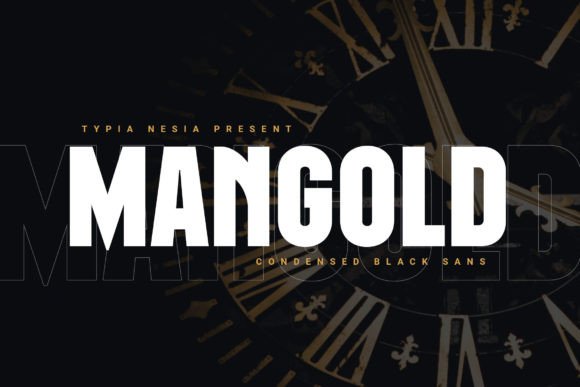
When you first look at Mangold, the immediate impression is one of strength and speed. This is a sans serif font, but it carries a distinct personality that sets it apart from generic geometric types. The defining feature of Mangold is its condensed design. By narrowing the width of the characters, the font allows you to stack text vertically or fit longer headlines into tight spaces without sacrificing font size. This is crucial in modern typography, where space is often at a premium.
The letterforms feature a bold weight and a uniform stroke width, creating a solid, monolithic appearance. However, it avoids looking blocky or heavy-handed. The designers have incorporated subtle details—perhaps slightly rounded corners or specific angle cuts on the terminals—that give it a contemporary, athletic feel. It bridges the gap between industrial strength and modern sleekness. Unlike a traditional serif font that suggests history and authority through flourishes, Mangold uses compression and weight to suggest power and immediacy. It feels fast. You can almost see the motion in the static letters, making it the perfect visual representation for sports brands, automotive events, or high-intensity fitness studios.
Strategic Applications: Where Mangold Shines
Knowing what a font looks like is one thing; knowing where to use it is the practical skill that separates an amateur layout from a professional design. Mangold is categorized as a display font, which means it is engineered specifically for large sizes, such as headlines, titles, and hero text. Using it for body copy would likely hinder readability, but using it for headers can skyrocket engagement.
In logo design, Mangold excels at creating a monogram or wordmark that feels established and confident. For a fitness brand or a sports team, the font does half the work for you, instantly communicating that the brand is active and serious. In packaging design, particularly for energy drinks, outdoor gear, or activewear, the condensed nature of Mangold allows you to place bold product names on the front of the package where shelf space is limited.
For web design and social media graphics, the font is a powerhouse. On a landing page, a Mangold headline can anchor the "above the fold" section, grabbing the visitor's attention within milliseconds. On platforms like Instagram or YouTube thumbnails, where text competes with imagery, Mangold’s thick strokes ensure your message is legible even on small mobile screens. It is also highly effective in editorial design, particularly for magazine covers or feature spreads related to lifestyle, fitness, or technology.
Building Brand Identity and Visual Hierarchy
A typeface is a voice for your brand. When you select Mangold, you are choosing a voice that is loud, clear, and assertive. This influences brand perception significantly. Consumers subconsciously associate bold, condensed typography with stability and athleticism. If you are launching a startup or rebranding a small business, using a creative font like Mangold can help you bypass the "generic" look that plagues many new brands.
From a technical design perspective, Mangold is excellent for establishing visual hierarchy. In any layout, you need to guide the viewer's eye from the most important element to the least important. By using Mangold for your H1 and H2 tags (or main headlines), you create a stark contrast against lighter body text. This contrast improves readability of the overall page because the viewer knows exactly where to look first. It creates a rhythm in your design, making the content easier to digest and more engaging to consume.
Practical Implementation: Pairing and Licensing
Adopting a new typeface requires more than just installation; it requires strategy. One of the most common questions designers have is regarding font pairing. Because Mangold is so distinct and heavy, it pairs best with lighter, more neutral typefaces. A classic sans serif font with a regular or light weight works wonderfully for body copy, allowing the headlines to pop without creating visual clutter. Alternatively, for a specific aesthetic, you might pair it with a clean script font or handwritten font to create a contrast between industrial strength and personal touch—though this should be done carefully to maintain professionalism.
Before finalizing your project, it is vital to evaluate the design assets included with the font. Check if the typeface includes various weights, italic styles, or stylistic alternates. These extras can add versatility to your brand identity, allowing you to create variations in your marketing materials without changing the core font. Finally, ensure you have the correct commercial font license for your specific needs, whether that is for desktop use, web embedding, or app development. Mangold is a professional tool, and treating it with professional diligence ensures your designs remain compliant and consistent across all platforms.