Groovy Retro Vibes: A Designer's Guide to Timeless Typography
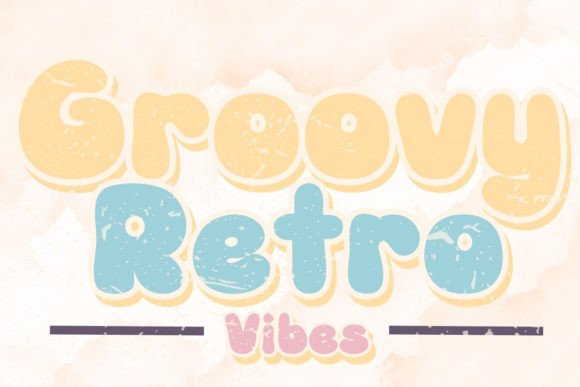
In the relentless cycle of design trends, where minimalism and maximalism constantly trade places, there's a profound comfort in a style that feels both familiar and fresh. This is the space occupied by the Groovy Retro Vibes typeface. It’s not a mere replica of 1970s signage; it's a thoughtful reinterpretation. As a designer who has worked with countless typefaces, I find its appeal lies in its balanced character. It carries the warmth and organic flow of vintage typography but is engineered with the precision and clarity required for modern applications. The letterforms often feature soft, rounded edges and a subtle, playful bounce, giving text a friendly and approachable personality without sacrificing legibility.
This font doesn't scream for attention; it invites it. Its visual characteristics—a confident weight, often with a slight condensed or extended proportion—create a strong visual presence. It feels substantial and trustworthy, making it an excellent choice for projects where you want to establish a clear, confident voice. Think of it as the typographic equivalent of a well-loved leather jacket or a classic vinyl record; it has instant character and a story to tell. For entrepreneurs and brand strategists, Groovy Retro Vibes offers a shortcut to building a brand identity that feels established and authentic from day one.
Where This Font Truly Shines: Practical Applications
Understanding a font's personality is one thing; knowing where to deploy it is another. Groovy Retro Vibes excels as a display font, meaning it's crafted for headlines, logos, and short bursts of impactful text. Its strength is in capturing attention and setting a mood, not in setting body copy for a novel. In logo design, it can instantly communicate a brand's values—be it a craft brewery's artisanal roots, a boutique coffee shop's cozy vibe, or a music blog's nostalgic soul. The font becomes a core part of the visual story.
Its versatility extends across numerous creative fields. Consider its use in:
- Packaging Design: It can make a product stand out on a shelf, evoking a sense of heritage or handcrafted quality that resonates with consumers.
- Editorial Design: Use it for pull quotes or chapter titles in a magazine or book to break the monotony of standard serif font or sans serif font layouts.
- Digital & Social Media: It’s perfect for creating scroll-stopping social media graphics, website hero sections, and engaging thumbnails that need a dose of personality.
- Merchandise & Print: From t-shirts and posters to wedding invitations and greeting cards, it adds a personal, retro-chic touch that feels premium.
For small business owners and content creators, this creative font is a powerful tool. It helps translate an abstract idea—like "cozy," "adventurous," or "retro-futuristic"—into a tangible visual element. It’s a font that doesn’t just display words; it conveys an emotion and an era.
Making It Work: Font Pairings and Readability
A great font rarely works in isolation. The art of font pairing is where Groovy Retro Vibes can truly elevate a design. Because it has such a distinct personality, the key is to pair it with a more neutral, versatile companion. A clean, geometric sans serif font for body text creates a beautiful contrast, allowing the retro headline to pop while ensuring the supporting text remains highly readable. Alternatively, pairing it with a classic serif font can create a sophisticated, editorial feel that blends old and new.
Readability is paramount. While the font is designed for clarity, its retro style means you should test it rigorously at the intended size and on the intended medium. A hero image on a website might use it at a large point size, where its details shine. For a small call-to-action button, you might opt for a simpler style from the same font family if available. Always check the commercial font license to ensure it covers your specific use case, whether for a client project, merchandise for sale, or a personal blog.
Evaluate its fit by creating mood boards. Does Groovy Retro Vibes complement your other design assets? Does it align with your target audience's expectations? For a project targeting a Gen Z audience obsessed with Y2K aesthetics, a different retro style might be better. But for projects aiming to connect with millennials and Gen X through nostalgia, this premium font is often a perfect match. It’s about using modern typography tools to craft a timeless message.
Ultimately, Groovy Retro Vibes is more than just a typeface; it's a design strategy. It’s for the creator who understands that the right lettering can do more than spell out a name—it can build a world, evoke a memory, and create an instant connection. It’s a testament to the idea that good design, much like a great song, never really goes out of style.