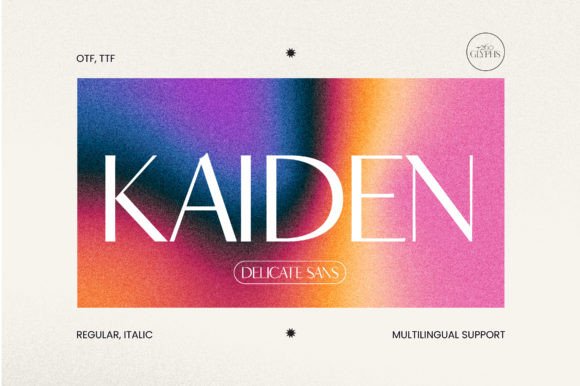
Kaiden: The Modern Sans Serif for Professional Design
When you're deep in a project—whether it's a startup brand deck, a lifestyle blog refresh, or packaging for a new product line—the typeface you choose quietly shapes everything. It sets the tone before anyone reads a single word. That's the power of good typography, and it's exactly why fonts like Kaiden deserve a closer look. This isn't just another sans serif font sitting in your library. It's a premium font built for designers, entrepreneurs, and creators who need their text to work as hard as their ideas do.
At its core, Kaiden is clean. The letterforms are geometric without feeling cold, minimal without sacrificing warmth. You'll notice balanced proportions, consistent stroke widths, and just enough personality to keep things interesting. It reads well at small sizes for body copy, but it holds its own beautifully as a display font for headlines and hero text. That kind of versatility is rare, and it's what separates a functional typeface from a genuinely useful design asset.
Where Kaiden Fits in Real Projects
Think about the last time you visited a website that felt effortless to navigate. Chances are, the typography played a bigger role than you realized. Kaiden works exceptionally well in web design because its open letter spacing and clear x-height reduce eye strain on screens. Bloggers and content creators can use it for article headers and pull quotes without worrying about readability on mobile devices. Marketers running email campaigns or building landing pages will find that Kaiden gives their calls to action a confident, modern edge without looking aggressive.
For logo design and brand identity projects, Kaiden offers something valuable: neutrality with character. It doesn't scream for attention the way a bold script font or an ornate serif font might, but it's far from generic. The subtle geometric influences give it a contemporary feel that works for tech startups, wellness brands, boutique agencies, and e-commerce shops alike. If you're building a brand system from scratch, starting with a typeface like Kaiden gives you a strong foundation that pairs easily with other styles—think a handwritten font for accent text or a classic serif for editorial layouts.
Print designers will appreciate Kaiden's performance on physical materials too. Brochures, business cards, posters, and packaging design all benefit from its strong legibility at various sizes. The font holds up well in both large-scale display applications and smaller text blocks, which means you can maintain visual consistency across an entire print suite without switching typefaces mid-project.
How Typography Shapes Perception
Here's something worth remembering: your audience makes judgments about your brand within seconds, and typography is one of the first things they process—often unconsciously. A polished, well-chosen typeface like Kaiden signals professionalism and intentionality. It tells viewers that someone cared about the details. For small business owners especially, that kind of visual credibility can make the difference between a visitor who bounces and one who sticks around to explore.
Visual hierarchy is another area where Kaiden shines. Its range of weights—typically from light to bold—lets you create clear distinctions between headings, subheadings, and body text without introducing a second typeface. That keeps your layouts clean and your readers oriented. In editorial design, whether you're producing a digital magazine, a company report, or a self-published book, this kind of built-in hierarchy saves time and reduces the chance of visual clutter.
Social media graphics are another practical application. Platforms like Instagram and Pinterest reward bold, readable text overlays, and Kaiden's clean geometry translates well to quick-glance formats. Entrepreneurs creating quote cards, sale announcements, or carousel posts can rely on it to stay sharp at thumbnail sizes while still looking refined when someone taps to zoom in.
Practical Tips for Working with Kaiden
Before committing to any commercial font, it's smart to test it against your specific needs. Download the available styles and set real content—not just "Lorem ipsum"—at the sizes you'll actually use. Check how Kaiden handles your brand's name, your longest headline, and a dense paragraph of body copy. Print a sample if your project involves physical materials. Screen rendering varies, so preview on multiple devices if the font is destined for the web.
Font pairing is where many projects either come together or fall apart. Kaiden's neutral personality makes it a cooperative partner. Try it alongside a humanist serif for a balanced editorial look, or pair it with a creative font like a brush script for contrast in invitation or event design. The key is to let one typeface lead while the other supports. Avoid pairing two sans serifs with similar x-heights and weights—that creates visual competition rather than harmony.
Licensing is another practical consideration. Kaiden is a premium font, which typically means you're paying for quality, support, and clear usage rights. Review the license terms before using it in client work, commercial products, or large-scale campaigns. Most professional licenses cover desktop use, and many now include web font formats. If you're a freelancer or agency, confirm whether the license allows you to deliver the font files to clients or if each client needs their own purchase.
Finally, don't overlook the small details that separate good typography from great typography. Adjust your tracking and leading based on the context. A headline might benefit from slightly tighter letter spacing, while body copy often reads better with a bit more breathing room. Kaiden's clean structure responds well to these micro-adjustments, giving you fine control over the final look.
Building a Visual System That Lasts
Good typefaces are investments that pay off across dozens of projects. Kaiden's strength lies in its adaptability—it's modern enough for a cutting-edge brand identity yet timeless enough to avoid feeling trendy two years down the road. Whether you're a crafter building a product label, a marketer designing a pitch deck, or a publisher laying out a quarterly journal, having a reliable sans serif font like Kaiden in your toolkit means you're always starting from a position of strength. The best modern typography doesn't shout. It communicates clearly, supports your message, and lets your content do the talking. That's exactly what Kaiden was built to do.