Glitch Fraktur: The Digital Blackletter for Bold Brands
In the world of typography, standing out means blending the familiar with the unexpected. That’s exactly where Glitch Fraktur excels. It’s not just another serif font or a novelty typeface. Glitch Fraktur takes the historic weight of German blackletter—think old manuscripts and gothic architecture—and runs it through a digital blender. The result is a typeface that feels both ancient and aggressively modern. If you’re working on a project that needs to communicate tension, tech, or a touch of darkness, this font is a powerful tool to have in your kit.
Anatomy of a Disruption
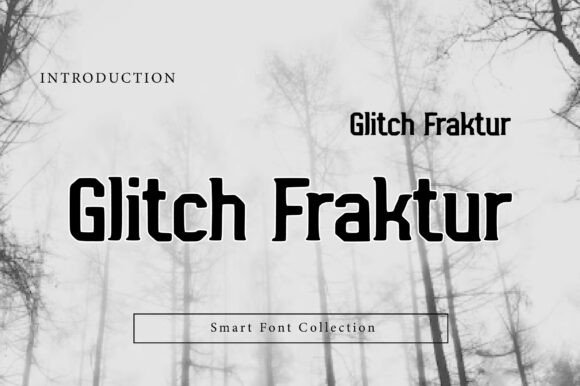
At its core, Glitch Fraktur is a slab serif font with a distinct personality. Its visual character comes from two key features: vertical “signal interference” slices and staggered alignments. Imagine a classic Fraktur letterform, then picture it being sliced by a digital glitch, as if a VHS tape warped or a scanner malfunctioned. These aren’t random cuts; they’re designed to create a sense of controlled chaos. The staggered alignments mean letters don’t always sit on a perfect baseline, adding to that feeling of a system error in a medieval script.
This design makes Glitch Fraktur a standout display font. It’s built for impact, not for body text. Its personality is edgy, mysterious, and slightly unsettling in the best possible way. It speaks to cyberpunk aesthetics, tech-horror themes, and any brand that wants to blur the lines between analog history and a glitched digital future. As part of the “Smart Font Collection,” it offers multiple weights and widths, giving you precise control over the intensity of the effect. A condensed version might feel more urgent and compressed, while a wider style can feel more imposing.
Where This Font Truly Shines
Choosing the right creative font is about matching tool to task. Glitch Fraktur isn’t your go-to for a law firm’s annual report or a children’s book. Its strength lies in projects that aim to provoke, intrigue, or create a strong mood. For logo design, it can anchor a brand identity for a cybersecurity startup, an underground music label, or a modern gothic clothing line. The font instantly sets a tone of sophisticated rebellion.
Consider its application in editorial design or packaging design. A magazine feature on digital dystopia or a craft brewery’s limited-run stout with a dark, thematic name could use Glitch Fraktur for headlines to dramatic effect. It’s equally at home on social media graphics for promoting a tech-horror podcast or a cyberpunk video game launch. For event posters—think underground club nights, metal concerts, or immersive theater—it provides that unforgettable, distorted energy that grabs attention from a distance.
Making It Work: Practical Guidance
Using a premium font like Glitch Fraktur effectively requires some strategy. First, evaluate the project fit. Is the goal to create unease, highlight a tech conflict, or merge historical and futuristic themes? If yes, you’re on the right track. If the goal is pure legibility or calm professionalism, look elsewhere.
Next, think about font pairing. Glitch Fraktur’s strong personality needs a balancing partner. Pair it with a clean, geometric sans serif font for body copy to let the headline do the talking. A neutral script font or a simple handwritten font could offer an interesting contrast for supporting text, but use with caution to avoid visual clutter. The key is contrast in structure and mood, not competition.
Always test readability in context. While it’s a display font, ensure the glitch effect doesn’t obliterate letterforms at small sizes. Review all the included styles—weights and widths—to see which variation communicates your desired “intensity” best. Finally, confirm the commercial font licensing covers your specific use, whether it’s for a local business’s brand identity, a global product launch, or a personal blog. This ensures your design assets are used legally and professionally.
In the end, Glitch Fraktur is more than a typeface; it’s a statement piece. It offers a way to inject modern typography with a narrative of disruption and history. Used thoughtfully, it can elevate a project from ordinary to utterly compelling, creating a visual language that resonates with an audience looking for something beyond the mundane. It’s a tool for creators who aren’t afraid to blend the past with a fractured digital future.